Christian ministry is rooted in a deep belief in the dignity and worth of all people. In “The Book of Common Prayer,” for example, Episcopalians promise in the Baptismal Covenant to “seek and serve Christ in all persons” and to “respect the dignity of every human being” (304–305).
Yet many of our formation spaces—classrooms, youth groups, Bible studies, and even worship—are still shaped around a narrow understanding of how people learn, process, and participate. For neurodivergent individuals, this can create invisible barriers to belonging.
Universal Design for Learning (UDL) offers a faithful way forward. Rather than adapting programs after challenges arise, UDL invites us to design from the beginning with human variability in mind. It is both a practical framework and a spiritual posture—one that reflects a theology of radical welcome and the expansive nature of the body of Christ.
Here are tangible ways ministry leaders can begin to integrate UDL principles into their programming.
1. Offer Multiple Ways to Engage
People connect in different ways, including through silence, conversation, movement, or reflection. When we build in options, we create space for more people to enter.
Try this:
- Begin gatherings with a choice: silent reflection, journaling, or small-group conversation
- Use a simple visual agenda so participants know what to expect
- Build in short pauses or breaks during longer sessions
- Make participation invitational rather than required
Predictability and choice can ease anxiety and help participants regulate their energy. In this way, structure becomes a form of pastoral care, honoring that each person arrives with a different nervous system, a different story, and a different way of engaging God.
2. Present Content in More Than One Way
Much of church-based learning relies on spoken words. UDL reminds us that meaning lands differently depending on how it is shared.
Try this:
- Pair spoken teaching with visuals, like slides, images, or printed outlines
- Provide brief written summaries of key points
- Incorporate storytelling, video, or hands-on elements
- Use art, music, or movement as a way to explore scripture
The doctrine of the incarnation reminds us that truth is not only spoken, but also embodied, seen, and experienced. When we teach in multiple ways, we reflect that fullness.
3. Expand What Participation Looks Like
Participation does not need to mean speaking out loud or responding on the spot. Expanding how people can engage invites more authentic presence.
Try this:
- Offer options: speaking, writing, drawing, or selecting images
- Use pair-share dialogue instead of large-group discussion
- Allow time for reflection before inviting responses
- Normalize opting out of sharing as a valid choice
As I Corinthians and Romans make clear, the body of Christ is made up of many members, each with different gifts (I Cor 12:4–27; Rom 12:4–8). When we broaden participation, we honor that diversity rather than privileging one way of contributing.
4. Pay Attention to the Sensory Environment
Church spaces are often rich with sound, light, and movement. For some, this is beautiful; for others, it can be overwhelming.
Try this:
- Designate a quiet or low-stimulation space
- Be mindful of lighting and volume levels
- Give advance notice about loud sounds or transitions
- Allow participants to move, stand, or step out as needed
Creating sensory-aware spaces is not about diminishing worship; it is about widening access to worship. It is a way of ensuring that more people can fully enter into the sacred rhythms of church life.
5. Communicate Clearly and Consistently
Clarity is a powerful form of inclusion. When expectations are explicit, participants can focus on meaning rather than guessing what comes next.
Try this:
- Offer step-by-step instructions, both spoken and written
- Clearly signal transitions between activities
- Use simple, direct language when possible
- Establish consistent routines
Clear communication reflects a commitment to meeting one another with compassion rather than assumption.
6. Build Belonging into the Culture
UDL is not just about strategies; it is about shifting how we understand inclusion. Instead of asking individuals to adapt, we design environments where difference is expected and valued.
Try this:
- Normalize varied ways of participating
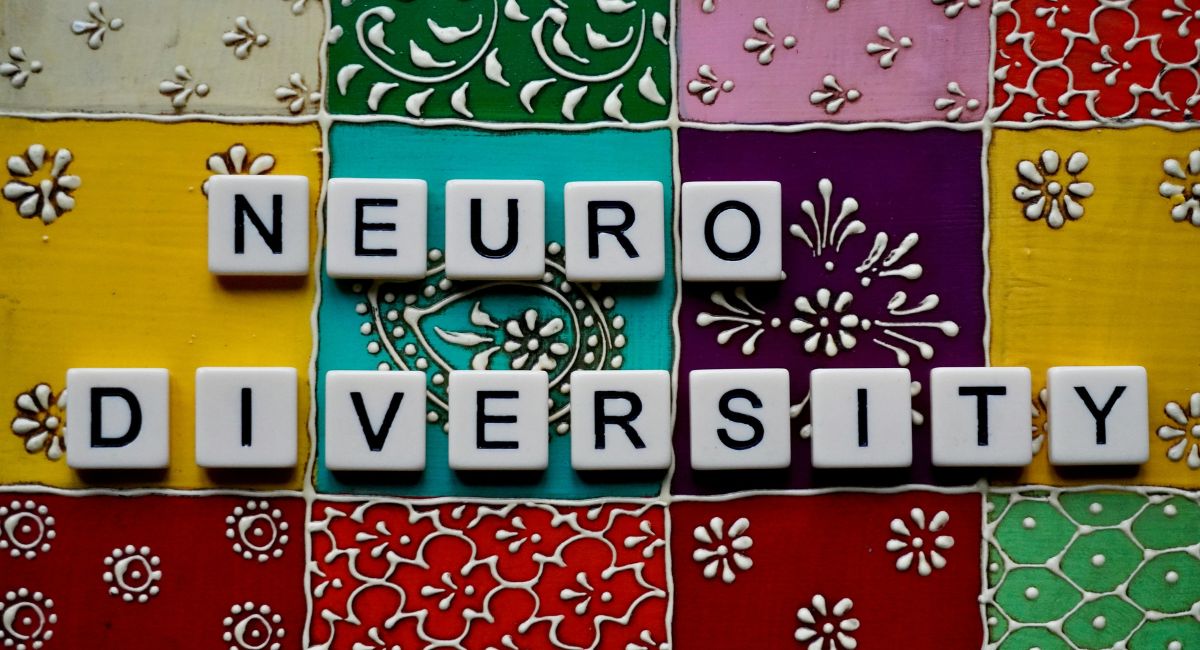
- Use language that affirms neurodiversity as part of God’s creation
- Equip leaders and volunteers with basic neurodiversity awareness
- Invite feedback: “What helps you feel most comfortable and engaged here?”
This is where UDL becomes deeply theological for Christian communities. To honor the dignity of every human being is not simply to include; it is to expect diversity as part of God’s design.
7. Start Small
You do not need to redesign everything at once. Begin with one or two intentional changes and build from there.
Simple starting points:
- Add a visual agenda
- Offer one alternative way to respond
- Create a quiet corner
- Check in with participants about what supports their engagement
Small changes, practiced consistently, can reshape a ministry over time.
A More Expansive Welcome
Universal Design for Learning invites us into a more expansive vision of church—one where belonging is not conditional on how someone learns, communicates, or processes the world. When we design with neurodiversity in mind, we are living more fully into the promises we make in baptism. We are not simply accommodating difference, but we are recognizing it as part of the sacred diversity of the body of Christ.
In doing so, we may find that our communities become not only more inclusive, but more reflective of the kingdom of God.
Resources for Getting Started
- CAST UDL Guidelines – Recommendations for implementing UDL
- Understood – Practical neurodiversity resources
- Check out your church’s local and regional disability ministries and training opportunities
Featured image is by Peter Burdon on Unsplash
About the Author
-
Krista Gauthier (she/her/hers)
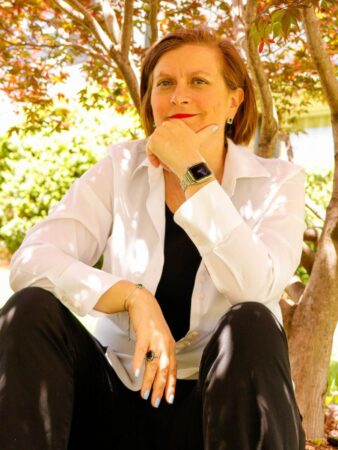 Krista Gauthier (she/her) is the founder of True North Rising (https://www.truenorthrisingllc.com/), where she supports leaders in aligning their work with purpose through mindful leadership, coaching, and nature-based experiences. She is also the Founder and Executive Director of Dyslexic Edge, where she has led innovative literacy and STEM programming for neurodiverse learners. Krista brings over two decades of experience in education and leadership and is passionate about creating spaces where all people can learn, lead, and belong. She is a member of The Falls Church Episcopal in Falls Church, VA, where she has served on the vestry and as senior warden. She lives with her husband Dave and their two children, Cameron and Katy.