

It’s almost summer in the northern hemisphere, and we at Building Faith want to share with you some new resources to help you rest, reflect, and recharge yourselves during these months and beyond.
We searched through the new releases for 2025 and 2026 at some of the most popular publishers in Christian ministry and theological education, and we found 13 books that seem particularly useful for formation leaders and church ministers. They cover a wide range of topics, settings, and perspectives, and some may be fruitful to share and discuss with colleagues, ministry teams, or small groups. To be clear, while we have not read all of these books in their entirety, we are excited about the portions we have read of the books already available and the publishers’ blurbs for those still forthcoming.
We invite you to check out the books that speak to you and return to this list in the future when you’re looking for resources. If you have read or do read one of these books, we’d love to hear about your experience in the comments below!
Books on Care Practices and Healing
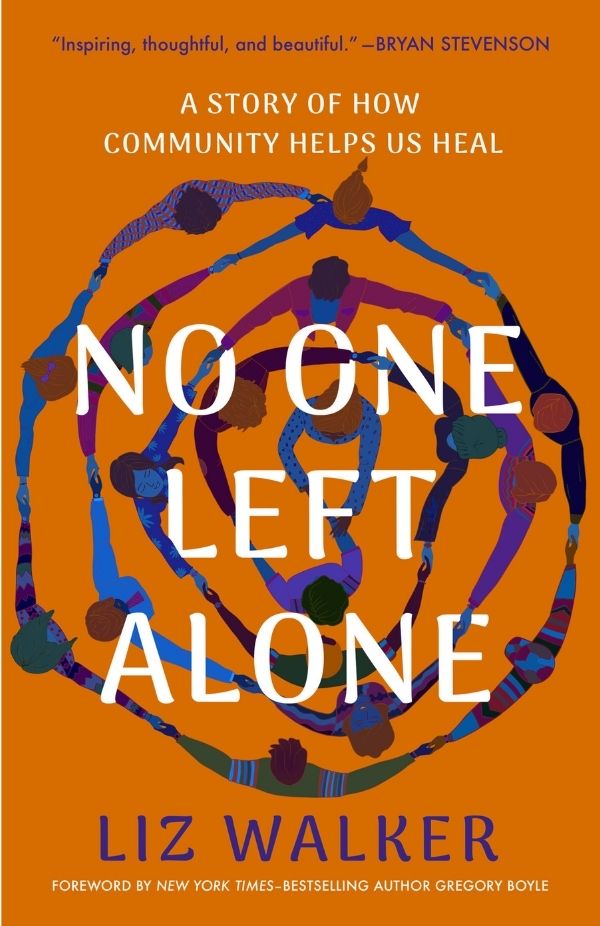
“No One Left Alone: A Story of How Community Helps Us Heal“
by Liz Walker (Broadleaf, 2025); print, ebook, audiobook
This book was born from the author’s ministry as a Presbyterian pastor in a community in the Boston area that had endured and carried trauma from violence and racial oppression. It highlights the program that Walker developed at her church, “Can We Talk . . . Community Sharing of Trauma and Healing,” after one of the community’s residents, a Black man and father named Cory Johnson, was murdered. The program provides “soft spaces,” as Walker says, for members of the community to give voice to their pain, grief, and trauma and to find healing together. The book may be particularly helpful for communities and leaders who want to learn from her program and apply similar practices to their own contexts.
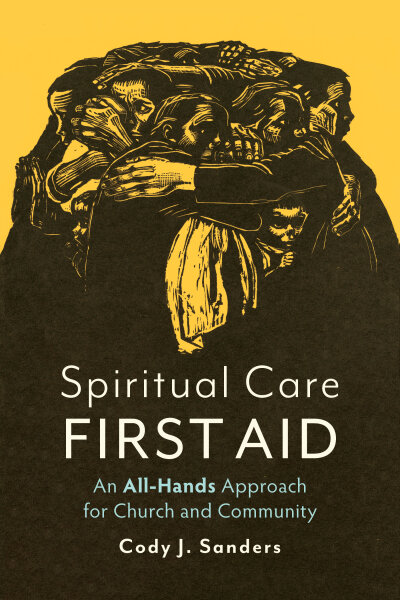
“Spiritual Care First Aid: An All-Hands Approach for Church and Community“
by Cody J. Sanders (Fortress, 2025); print, ebook
This is a promising resource for formation leaders who have never had pastoral care training and want to learn how to meet people in need, struggle, and crisis. As Sanders says in the introduction, “Spiritual Care First Aid aims to help you develop the basic skills of care needed to become a helpful and healing presence in the lives of those who need it” (xvi–xvii). While the book is not intended as a replacement for professional pastoral, medical, or mental health care, it is designed to equip church members with communication and relational tools to show up for and care for one another in healthy ways.
Book on Interpreting Scripture
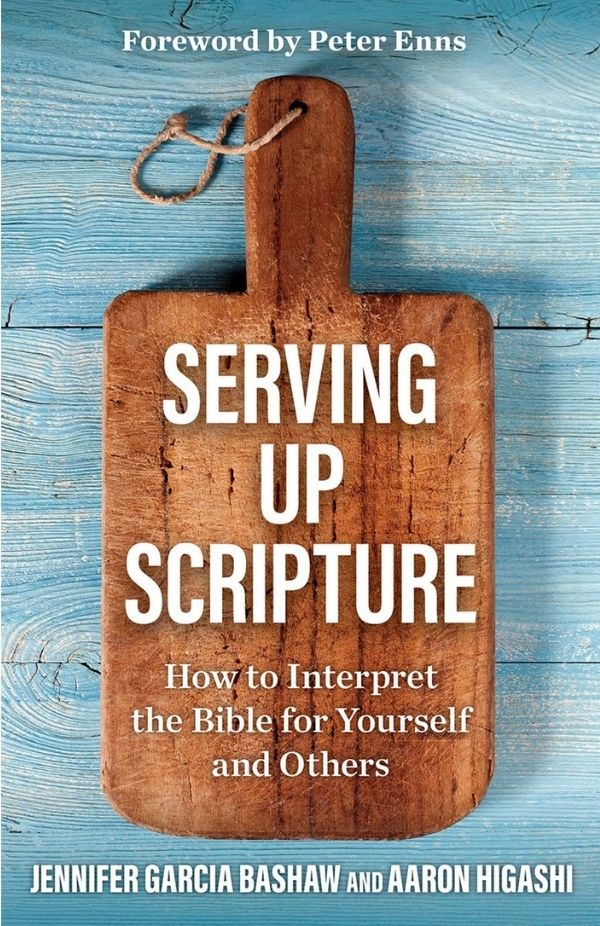
“Serving Up Scripture: How to Interpret the Bible for Yourself and Others“
by Jennifer Garcia Bashaw and Aaron Higashi (Broadleaf, 2026); print, ebook, audiobook
This book is designed to equip lay readers with information and tools to find “freedom” and “empowerment,” as Garcia Bashaw and Higashi say in the introduction, in interpreting scripture (6). The authors liken reading and interpreting the Bible to the practice and process of cooking, which helps illuminate the ways in which contexts, cultures, traditions, techniques, relationships, tastes, and more all play a role in how people search for and find meaning in scripture. The hope that the authors express is that the book might enable more people to “interpret scripture in ways that are healthy for both yourself and others” (6). This could be a useful book not only for formation leaders who want to gain more insight into ways of approaching these ancient texts, but also for adult Bible study groups.
Books to Listen and Learn from Younger Generations
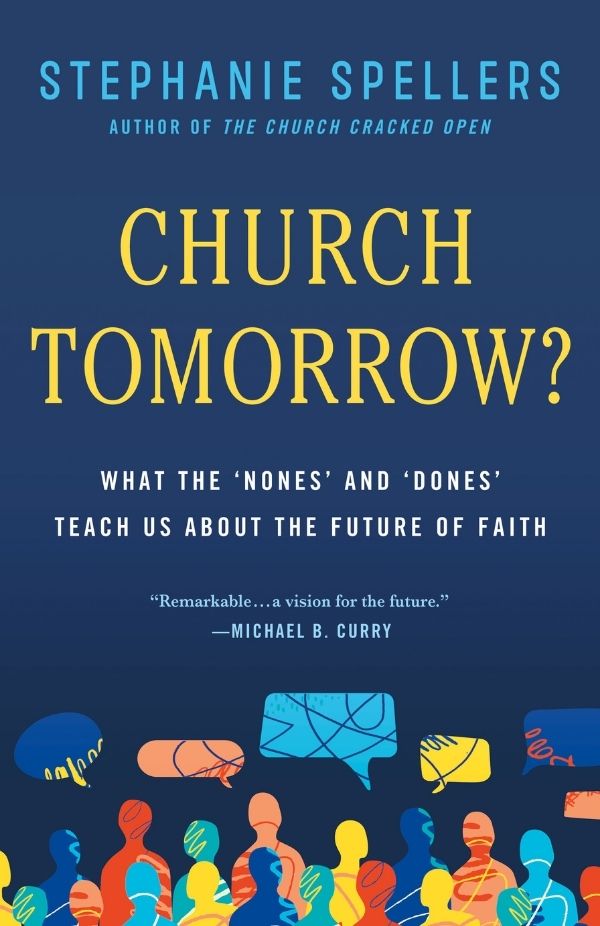
“Church Tomorrow?: What the ‘Nones’ and ‘Dones’ Teach Us about the Future of Faith“
by Stephanie Spellers (Church Publishing, 2025); print, ebook
In this book, Spellers aims to open dialogue in earnest about the current weighty reality of decline in churches across the U.S. The book shares the data about decline as well as the stories and insights from Millennial and Gen Z adults whom Spellers interviewed in order to invite churchgoers to learn from the spiritualities of people outside their buildings. This book can be beneficial for any leader, church member, or Christian community interested in engaging the hard questions and conversations about the present and future of churches in the U.S. and in discerning how to live faithfully together with God and neighbors in this moment.
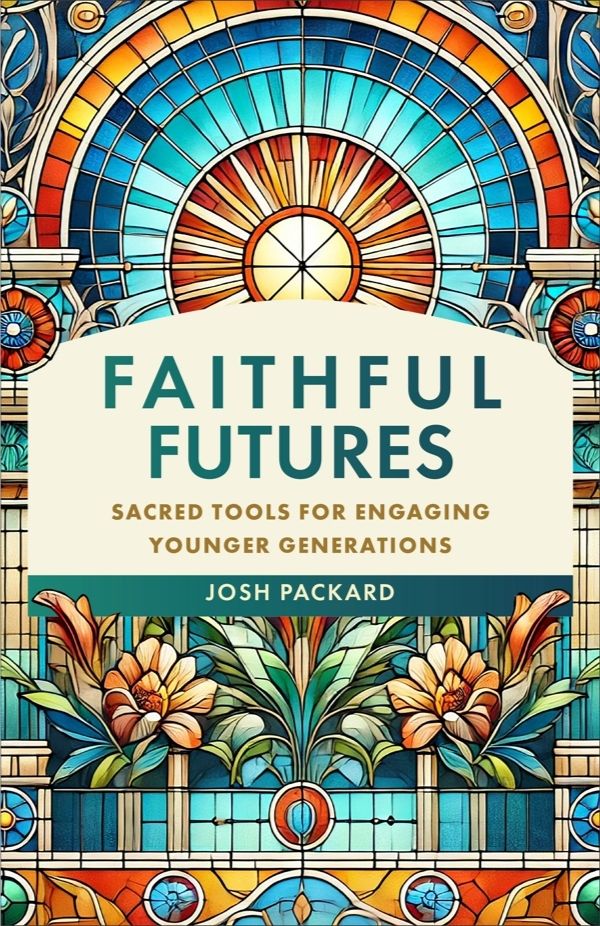
“Faithful Futures: Sacred Tools for Engaging Younger Generations“
by Josh Packard (Baker Academic, 2025); cover art is by Paula Gibson; print, ebook, audiobook
In this book, Packard combines his expertise as a sociologist and researcher with practical tools for engaging Gen Z and Gen Alpha in meaningful faith conversations. The book seeks to equip youth leaders today to minister more effectively among youth by reshaping youth formation in ways that connect with the experiences and needs of these particular generations of adolescents through “Sacred Listening.” Within its chapters, the book also includes specific practices to help readers apply insights to their ministries. This book can be especially helpful and instructive for adults who minister with Gen Z and Gen Alpha youth.
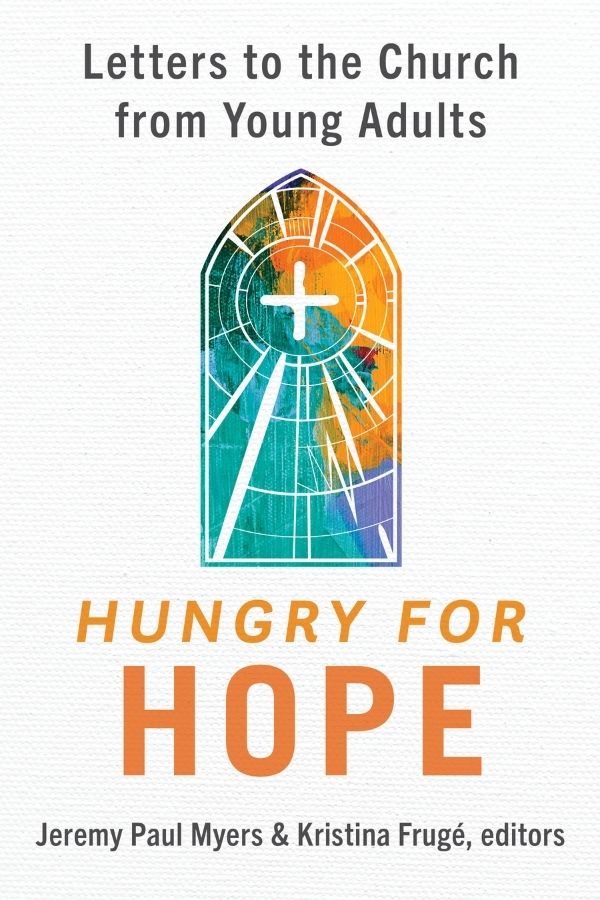
“Hungry for Hope: Letters to the Church from Young Adults“
edited by Jeremy Myers and Kristina Frugé (Eerdmans, 2025); print, ebook
This book lifts up the voices, longings, and hopes of adults in their 20s and 30s who want more from and for churches today. The chapters are the collaborative work of young adults and church leaders across denominational contexts, and they speak to issues that are pressing for many young adults, including the climate crisis, mental health, abuses of power, marginalizing systems, sexual relationships and intimacy, and community. This book can be illuminating and fruitful for formation leaders, church ministers, and congregations seeking to support young adults in their communities within and beyond the church. It may also be a useful resource for young adult church members interested in hearing from and engaging other young adults on these topics.
Books for Nurturing Your Spirituality
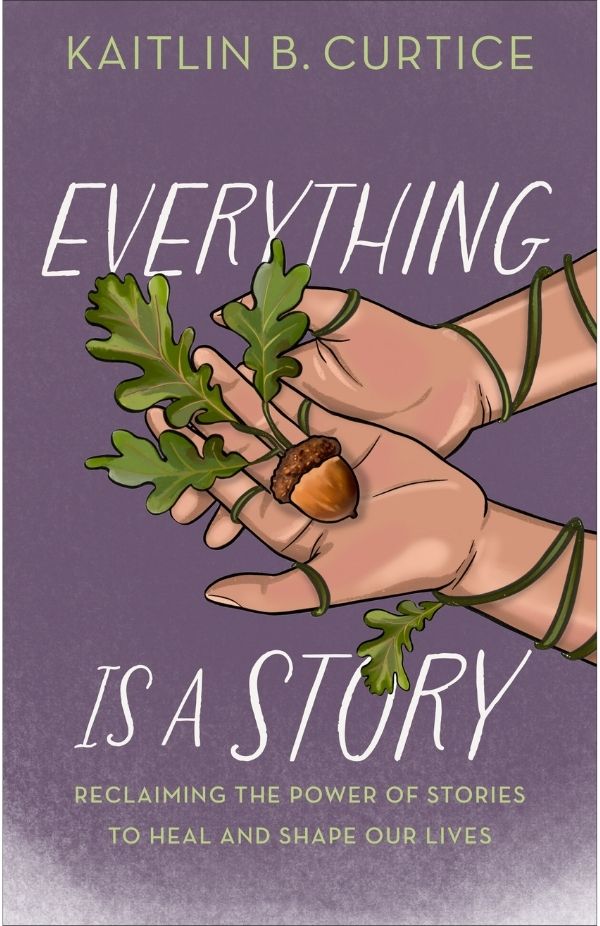
“Everything Is a Story: Reclaiming the Power of Stories to Heal and Shape Our Lives“
by Kaitlin B. Curtice (Brazos, 2025); cover art is by Paula Gibson; print, ebook, audiobook
This book is a beautiful engagement with the meaning and formation of stories. Curtice brings her Indigenous experience and perspective to reflect on the kinds of stories that are part of life in this world with human and nonhuman creatures—not just the fictional and nonfiction stories that get told, written down, or shared, but also the stories that people inhabit and encounter everywhere. The book combines poetry, personal narratives, and meditations on stories and storytelling, and Curtice includes practices for connecting with stories. This book can be useful for exploring stories and storytelling in formation settings as well as for personal and communal reflection and discernment.
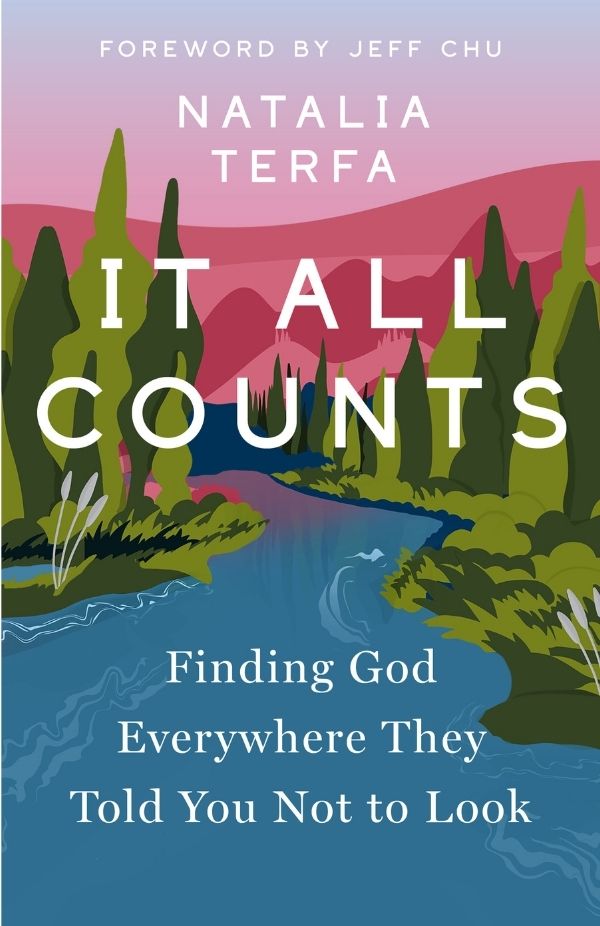
“It All Counts: Finding God Everywhere They Told You Not to Look“
by Natalia Terfa (Broadleaf, coming July 2026); print, ebook, audiobook
This book aims to offer a theological word of affirmation to readers about what faithful lives can look like. In the book, Lutheran pastor Natalia Terfa underscores the importance and possibilities of love, not only as a way to counter shame-oriented messages about God and faith, but also to help readers embrace a more liberating life with God as their fully human selves. We’re looking forward to finding out more about this book when it releases in July. It promises to be an edifying resource for formation leaders, church ministers, and adults seeking to inhabit faith in life-giving and empowering ways.
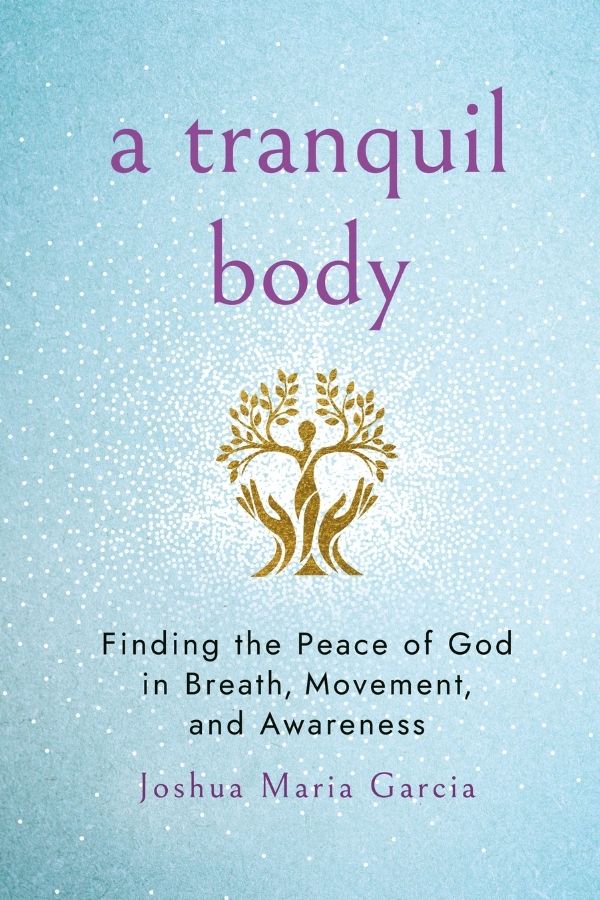
“A Tranquil Body: Finding the Peace of God in Breath, Movement, and Awareness“
by Joshua Maria Garcia (Church Publishing, coming July 2026); print, ebook
If what you need this summer is a chance to slow down and recharge, this devotional may be the most helpful book for you in this list. It features body-centered meditations and practices that affirm the goodness and sacredness of human bodies. The book is designed to enable readers to connect with their bodies and with God through their bodies. Be on the lookout for it in July.
Books for Social Justice Work
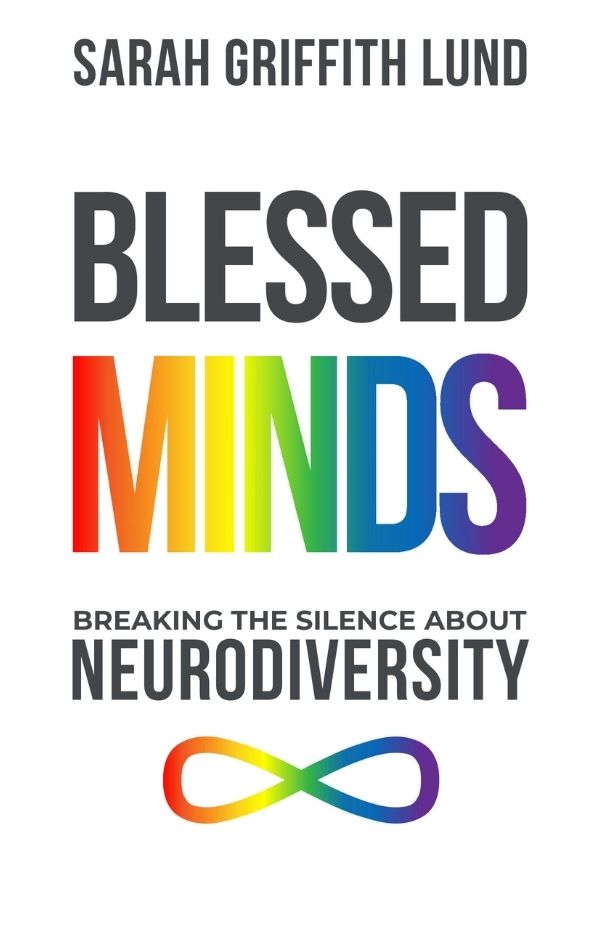
“Blessed Minds: Breaking the Silence about Neurodiversity“
by Sarah Griffith Lund (Chalice, 2025); print, ebook
This book offers an informative and affirming discussion of neurodiversity and neurodivergence in Christian contexts. In the book, Lund speaks to the harmful ways that churches have treated neurodivergence and advocates understanding neurodivergent “bodyminds,” as she says, as “sacred” and as “gifts from God” (2). She also provides recommendations for making Christian communities and spaces welcoming and inclusive for neurodivergent members. This book can be a helpful starting place for formation leaders and communities interested in learning more about neurodiversity, developing inclusive and affirming theological understandings of neurodiversity, and shaping church practices in ways that “honor” neurodivergent members (2).
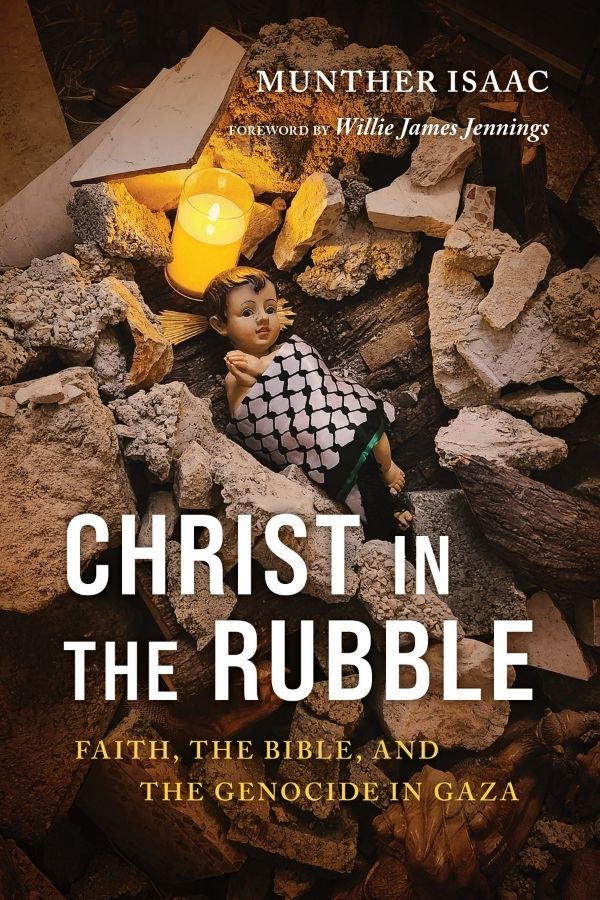
“Christ in the Rubble: Faith, the Bible, and the Genocide in Gaza“
by Munther Isaac (Eerdmans, 2025); print, ebook
This book grapples theologically with the genocide in Gaza from the perspective of a Palestinian Christian pastor who has been witnessing firsthand the injustice and suffering of the Palestinian people in Gaza. It illuminates the history of oppression behind the current violence against the people of Gaza, and it offers a theological critique of western churches’ collusion with imperialist, racist, and Zionist politics. For communities, small groups, and formation leaders seeking to gain deeper insight into what has been happening in Gaza and how churches can respond, this is an important resource.
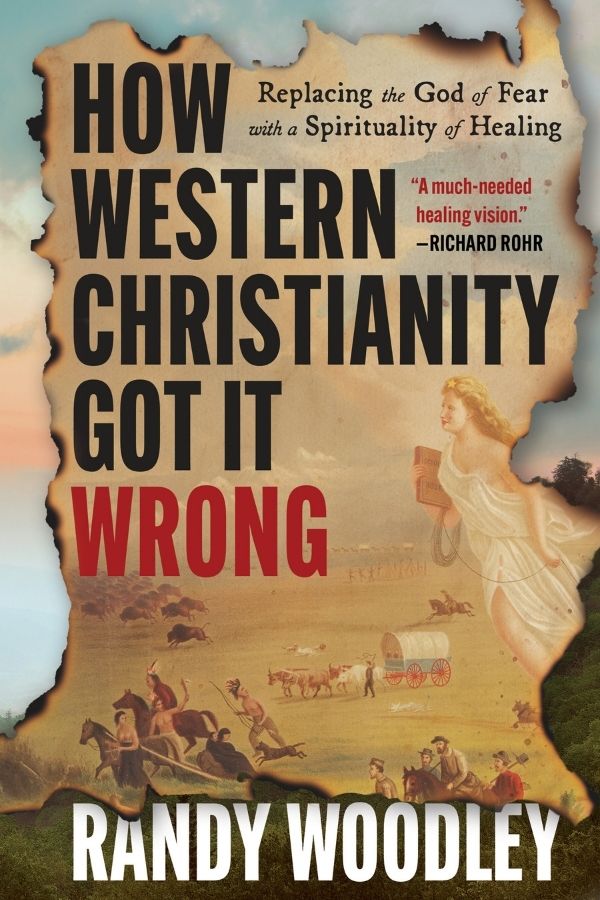
“How Western Christianity Got It Wrong: Replacing the God of Fear with a Spirituality of Healing“
by Randy Woodley (Broadleaf, coming July 2026); print, ebook
This book provides a theological critique of the history of western Christianity and its imperialist operations upon Turtle Island and its Indigenous peoples. From the lens of his white and Indigenous heritage, Woodley discusses the harmful impact of western Christianity’s colonizing theology and offers an alternative constructive theological understanding of Jesus and his ministry that is informed by Indigenous cultures. This book will be available in July and a beneficial resource for ministry leaders, small groups, and communities interested in understanding better and reckoning with the church’s role in the colonizing history of Indigenous people’s lands.
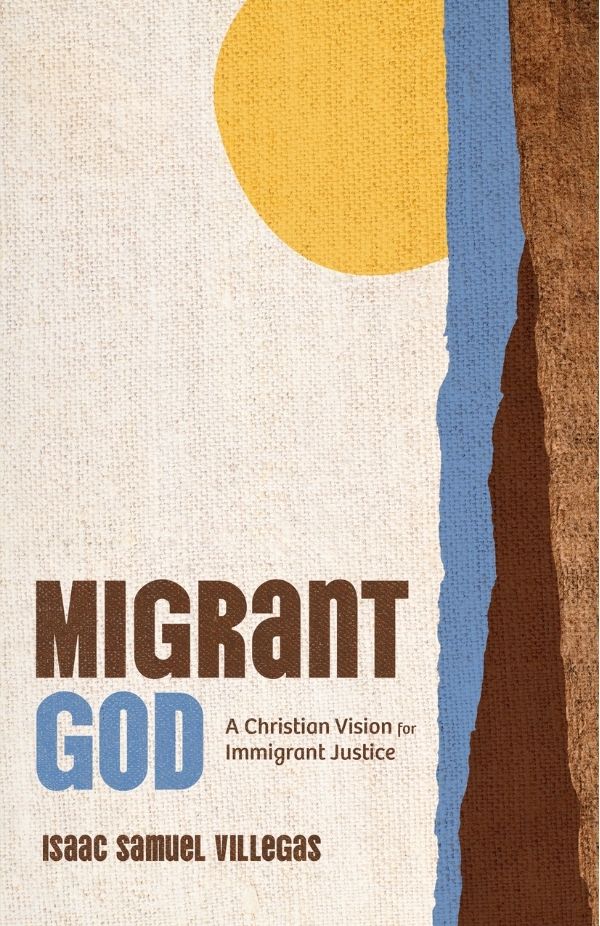
“Migrant God: A Christian Vision for Immigrant Justice“
by Isaac Samuel Villegas (Eerdmans, 2025); print, ebook
This book tells the stories of people involved in the struggle for justice with and for immigrant persons, families, and communities in the U.S. and at the border between Texas and Mexico. The aim of the book, according to Villegas, is to provide “a piecemeal vision for a people transformed through dedication to the work of collective wholeness” (introduction). This vision revolves around the “solidarity” that people have put into practice in showing up for one another and continuing to strive for justice together (introduction). This book can be a fruitful resource for communities involved in justice efforts with and for immigrants as well as for communities that want to engage and respond as people of faith to the situations that many immigrants are currently facing in the U.S. and beyond.
Many thanks to the publishers of these books who granted us permission to use the cover images in this article: Baker Academic, Brazos, Broadleaf, Chalice, Church Publishing, Eerdmans, and Fortress.
Editor’s Note: A minor edit was made to this article shortly after publication on May 26, 2026 to improve clarity.
Featured image is by Ishaq Robin on Unsplash